Grade I is for buildings of exceptional interest, Grade II* is for particularly important buildings of more than special interest, and Grade II is for buildings of special interest. Most listed buildings are Grade II.
The grade shows how important a building is, not how strict the rules are. All three grades need listed building consent for work that affects the character of the building, but higher grades get more scrutiny.
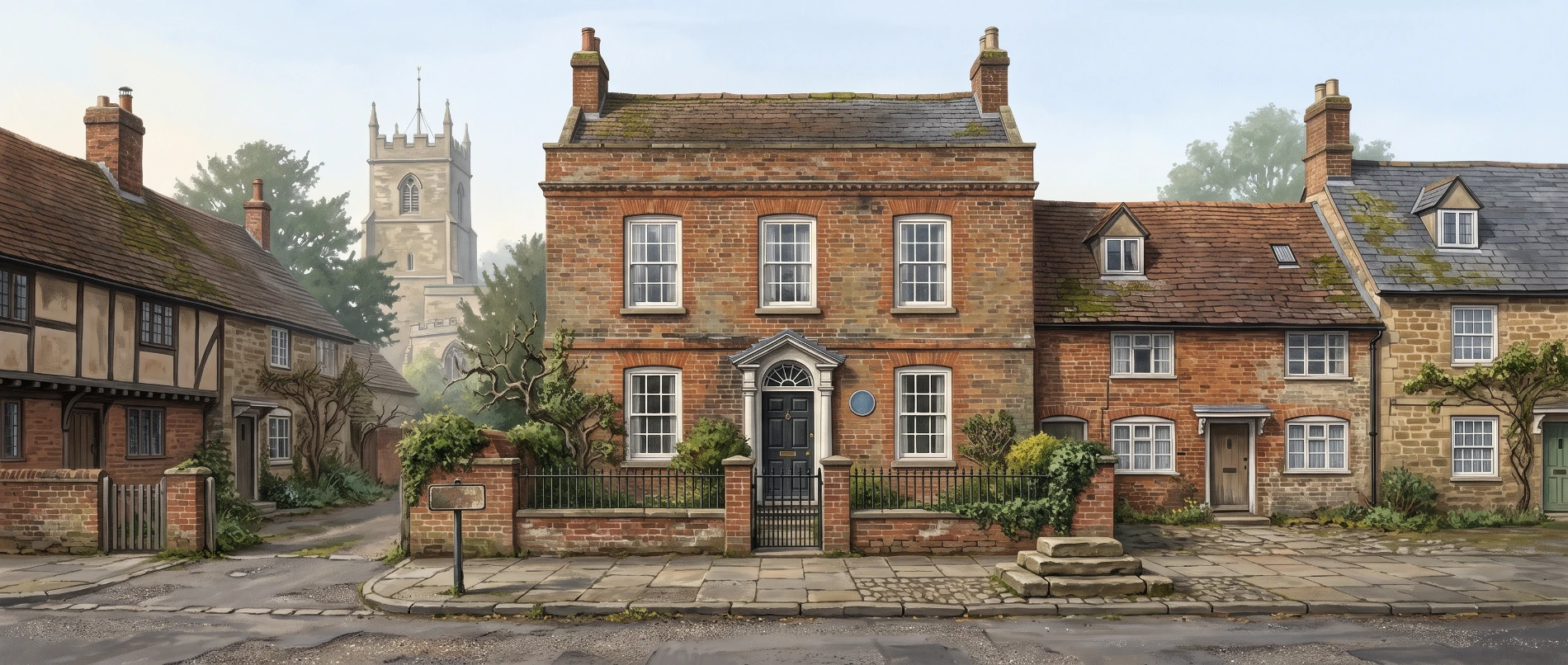
Grade I vs Grade II* vs Grade II at a glance
| Feature | Grade I | Grade II* | Grade II |
|---|---|---|---|
| Meaning | Buildings of exceptional interest. | Particularly important buildings of more than special interest. | Buildings of special interest. |
| How common | A small minority of listed buildings. | A small share of listed buildings. | The great majority, over 90 percent. |
| Examples | Cathedrals, great houses and major landmarks. | Important houses and some notable almshouses and bastles. | Most ordinary listed houses, shops and farm buildings. |
| Consent | Listed building consent for work affecting its character. | The same. | The same. |
| Historic England role | Consulted on applications. | Consulted on applications. | Consulted on some applications, such as demolition. |
How to tell them apart
- Search the list. The grade is given at the top of the list entry on the National Heritage List for England.
- Read the description. The entry says what was noted when the building was listed, which helps to understand what matters.
- Check Wales and Scotland. Wales uses the same grades, and Scotland uses categories A, B and C.
- Ask the council. The conservation officer can explain how the grade affects your plans.
Where you will see them
- Almshouses: The Gamlingay almshouses are Grade II*.
- Border peel towers and bastle houses: Woodhouses Bastlehouse is Grade II*.
- Welsh valley terrace: Forge Row is Grade II*.
What it means for owners
- The rules are not looser for Grade II. All listed buildings need consent for work that affects their character, whatever the grade.
- Expect more scrutiny at higher grades. Applications for Grade I and II* buildings get closer attention and wider consultation.
- Insurance and repair. Cost and care are similar across grades, but the grade can affect the type of repairs the council accepts.
- Check before you buy. Read the list entry and ask for the consents history. See our listed buildings guide.
For the full set of definitions, see our listed building and conservation terms page and the architectural glossary.
Sources and further reading
- Historic England: the National Heritage List for England Check whether a building is listed
External links open in a new tab. Last checked November 2026.
Frequently asked questions
What does Grade II* mean?
It means a particularly important building of more than special interest.
How many listed buildings are Grade II?
Over 90 percent of listed buildings in England are Grade II.
Is Grade I stricter than Grade II?
The consent rules are the same, but works on Grade I buildings get more scrutiny and consultation.
What are the Scottish grades?
Scotland uses Category A, B and C instead of grades.
Can the grade change?
Yes. Buildings can be upgraded, downgraded or delisted after a review.