Is it condensation, rising damp, penetrating damp or interstitial damp?
Damp and mould in UK homes is one of the most misdiagnosed - and therefore mis-treated - problems in home maintenance. There are four distinct types, each with a completely different cause, fix and cost. Treating rising damp with anti-condensation paint, or blaming condensation when you actually have a leaking gutter, wastes money and leaves the problem to get worse.
This tool asks you about the location of the problem (which room, which floor, which wall), the symptoms you can see (black mould spots, tide marks, white salts, wet patches), the timing (worse in winter or after rain?), and basic property details (age and wall type). It then scores your answers against the diagnostic profile for condensation, rising damp, penetrating damp and interstitial damp - and tells you which is most likely, what it will cost to fix, and whether you can tackle it yourself.
Where is the damp or mould?
Which room?
Which floor?
Which wall?
What can you see? Tick all that apply
When is it worst?
How is the room ventilated?
Tell us a little about the property
Approximate age
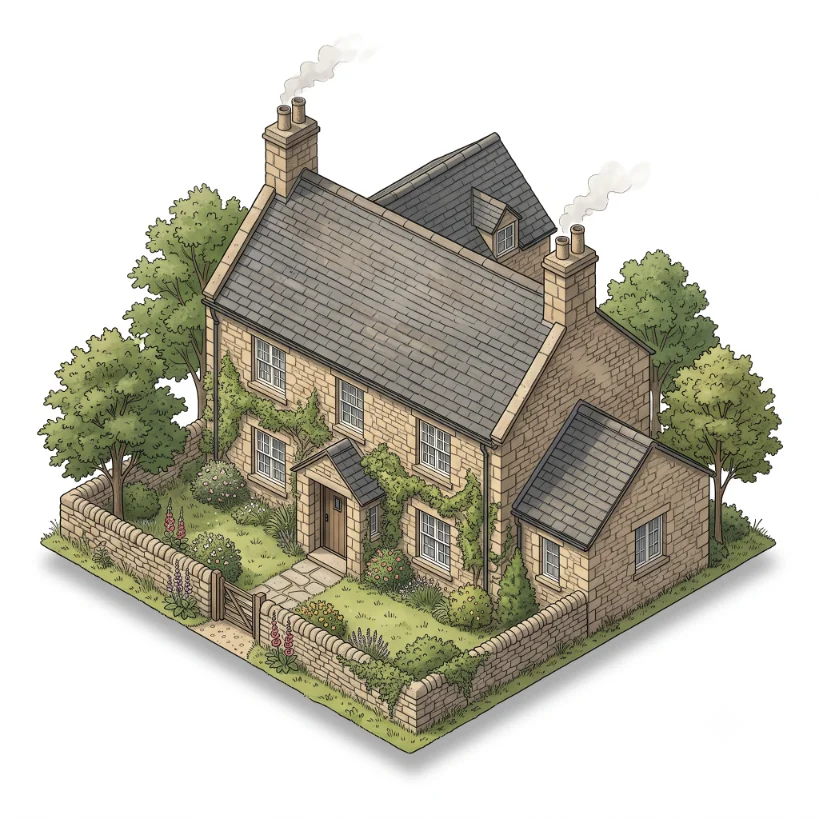 Pre-1800
Georgian & earlier
Pre-1800
Georgian & earlier
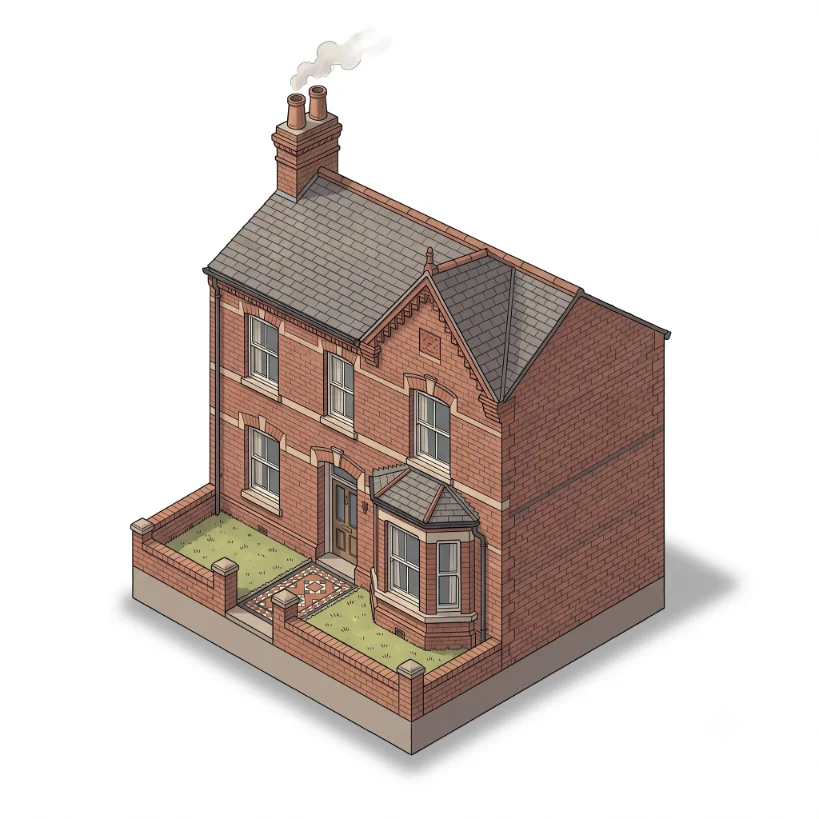 1800-1919
Victorian / Edwardian
1800-1919
Victorian / Edwardian
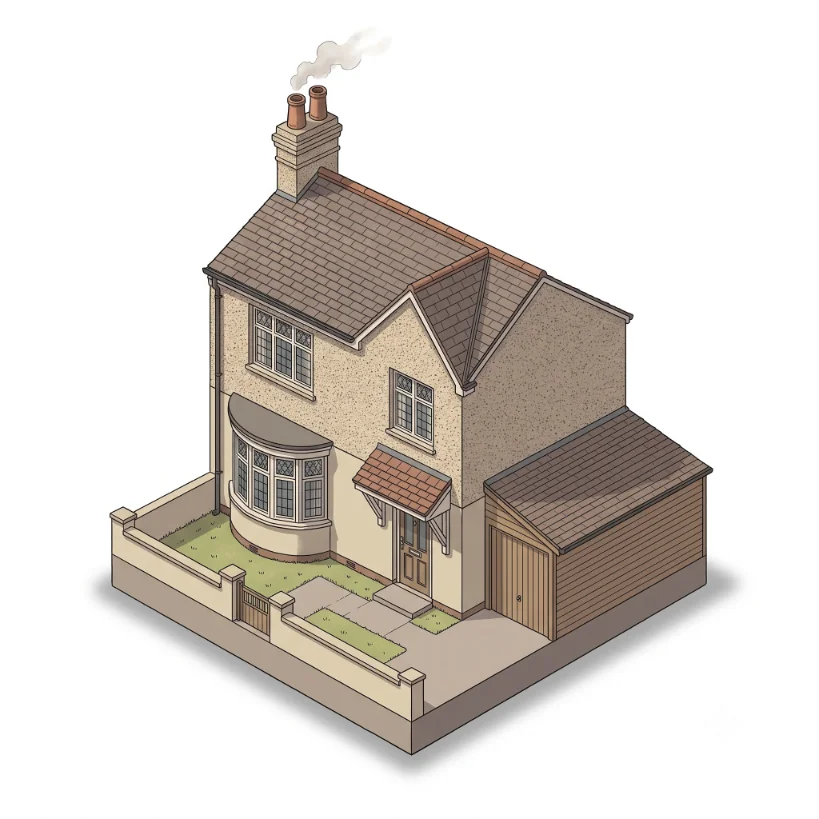 1919-1945
Inter-war
1919-1945
Inter-war
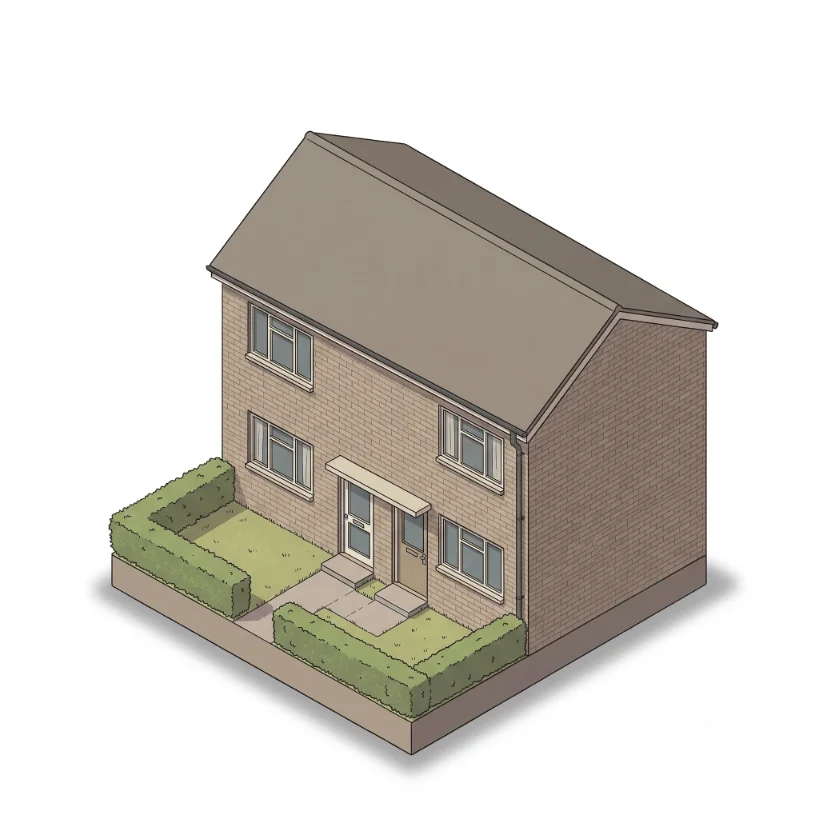 1945-1980
Post-war
1945-1980
Post-war
 1980-2000
Modern estate
1980-2000
Modern estate
 2000+
New build
2000+
New build
Wall construction