Listing protects a single building of special architectural or historic interest, inside and out. A conservation area protects the character of a whole area, including the layout, spaces and trees as well as buildings.
A building can be both. Listing needs listed building consent for work that affects its character, and a conservation area adds planning controls on demolition, trees and some changes that would normally be allowed.
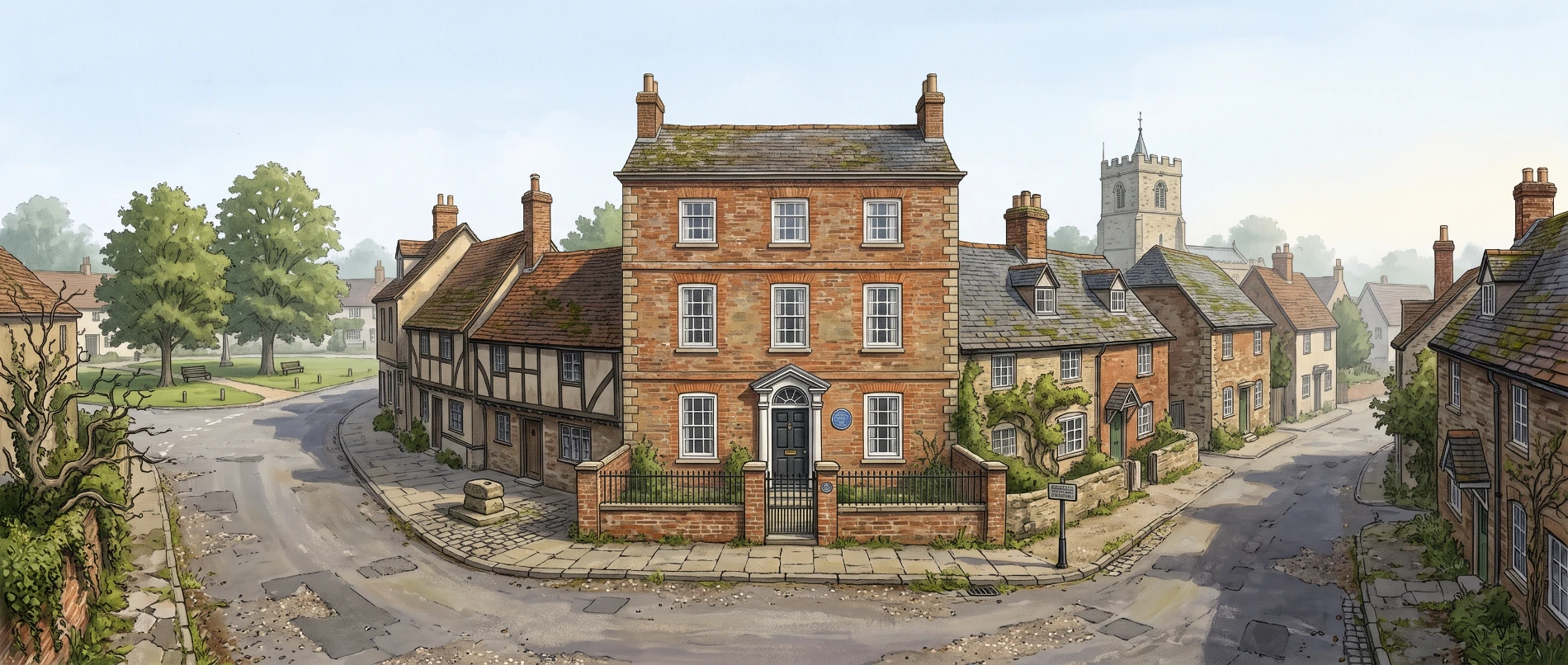
Listed building vs conservation area at a glance
| Feature | Listed building | Conservation area |
|---|---|---|
| What it protects | A single building, and often its curtilage and attached structures. | The character and appearance of a whole area. |
| Who designates it | The government, on advice from Historic England in England. | The local council. |
| What it covers | The whole building inside and out, not just the parts named in the list entry. | Mainly the outside of buildings, spaces and trees. |
| Consent needed | Listed building consent for work that affects its character, plus planning permission where needed. | Planning permission for demolition and some changes, and notice for work to trees. |
| Permitted development | Some rights remain, but work must not harm the character of the building. | Some rights are removed, and Article 4 directions can remove more. |
| How to check | The National Heritage List for England or the council. | The council website or planning department. |
How to tell them apart
- Check the list. Search the National Heritage List for England for the address.
- Ask the council. The council can confirm whether the property is in a conservation area and whether an Article 4 direction applies.
- Look at the area. Many conservation areas have signs, plaques or consistent street details.
- Check your searches. Your solicitor's local search should show both, but confirm it.
Where you will see them
- Georgian townhouse and terrace: Often listed and in conservation areas.
- Model villages: Often whole conservation areas.
- Almshouses: Most are listed.
What it means for owners and buyers
- Ask before you plan work. Contact the council planning team before starting, because unauthorised work on a listed building can be a criminal offence.
- Insurance and finance. Listed buildings can cost more to insure and repair. Ask your insurer and lender early.
- Buying. Check the list entry, any previous consents and whether past work was approved. See our listed buildings guide.
- Scotland and Wales. Listing and conservation rules differ in Scotland and Wales, with different grades and bodies.
- Survey. Use a surveyor with experience of historic buildings. See our home survey guide.
For the full set of definitions, see our listed building and conservation terms page and the architectural glossary.
Sources and further reading
- Historic England: the National Heritage List for England Check whether a building is listed
External links open in a new tab. Last checked November 2026.
Frequently asked questions
Is a conservation area the same as listing?
No. Listing protects a single building, and a conservation area protects the character of a whole area.
Can a building be listed and in a conservation area?
Yes. Both sets of controls can apply at once.
Do I need permission to change windows in a conservation area?
It depends. Many conservation areas have Article 4 directions that require planning permission for window changes.
Does listing cover the garden?
It can cover the curtilage, which includes buildings and structures within the grounds that are historically linked to the building.
How do I find out if my house is listed?
Search the National Heritage List for England, or check with your council.