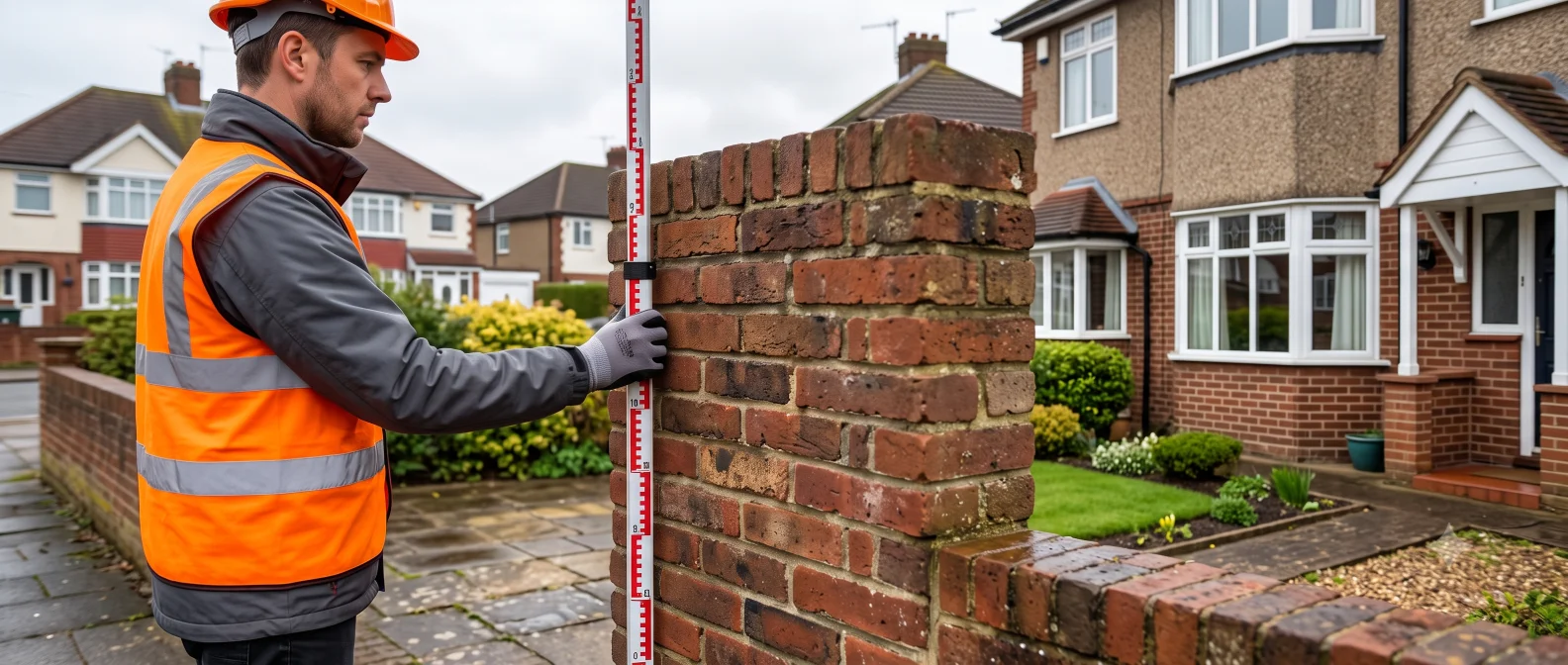
Party Wall Act Guide for Self-Builders
The Party Wall etc. Act 1996 applies to more self-build projects than most people expect. Serving notice late - or not at all - can halt your build and expose you to significant legal liability.
The Party Wall etc. Act 1996 applies to more self-build projects than most people expect. Serving notice late - or not at all - can halt your build and expose you to significant legal liability.
The Party Wall etc. Act 1996 is a piece of legislation that provides a framework for preventing and resolving disputes in relation to party walls, boundary walls, and excavations near neighbouring buildings. It applies in England and Wales. Scotland has different legislation.
The Act does not stop you from carrying out the work - it regulates how it is done and gives neighbours rights they would not otherwise have under planning or Building Regulations law.
The Act applies if your proposed works include any of the following:
For most self-builds on a residential plot, the most common trigger is excavation for foundations close to a boundary. Even if the foundations appear modest, they may still trigger the Act. If in doubt, get advice from a party wall surveyor.
There are three types of notice:
Notices must be in writing, served on every affected adjoining owner (not just occupiers). If a property is rented, notice must be served on the landlord as well as the tenant.
Once served, the adjoining owner has 14 days to respond. They can:
You, as the building owner, pay the costs of the party wall process. This includes your own surveyor's fees and your neighbour's surveyor's fees. A party wall award for a straightforward case typically costs £800-2,000 in surveyor's fees. More complex cases - multiple neighbours, complicated works - can cost significantly more.
Factor party wall costs into your project budget from the start. They are not optional and cannot be avoided if the Act applies.
The Party Wall Award (formally called an "Award") is a legally binding document that sets out:
The Party Wall etc. Act 1996 applies in England and Wales only. Scotland has different common law provisions relating to common walls and mutual boundary structures, but no equivalent statutory framework. Northern Ireland has its own Access to Neighbouring Land Act provisions. If your project is in Scotland or Northern Ireland, take specific legal advice.
Party wall tasks are in Stage 4 of your project checklist. Open your checklist